Understanding the Role of a Commercial Contractor in Commercial Construction Services
When it comes to building or renovating commercial spaces, the process can feel overwhelming. I know this because I have seen many businesses struggle to find the right team to bring their vision to life. That’s where a commercial contractor steps in. They are the backbone of any successful commercial construction project. Today, I want to share what I’ve learned about their role and why they are essential for projects in Austin, Texas.
What Are Commercial Construction Services?
Commercial construction services cover a wide range of activities related to building or improving commercial properties. These include offices, retail stores, warehouses, and more. The goal is to create functional, safe, and attractive spaces that meet business needs.
A commercial contractor manages these services from start to finish. They coordinate everything, from planning and permits to construction and final inspections. Their job is to ensure the project runs smoothly, stays on budget, and finishes on time.
Some common commercial construction services include:
Steel structure installation
Drywall paneling
Roofing systems
Electrical and plumbing work
Interior finishing
Each service requires expertise and careful planning. A good contractor knows how to bring all these pieces together.
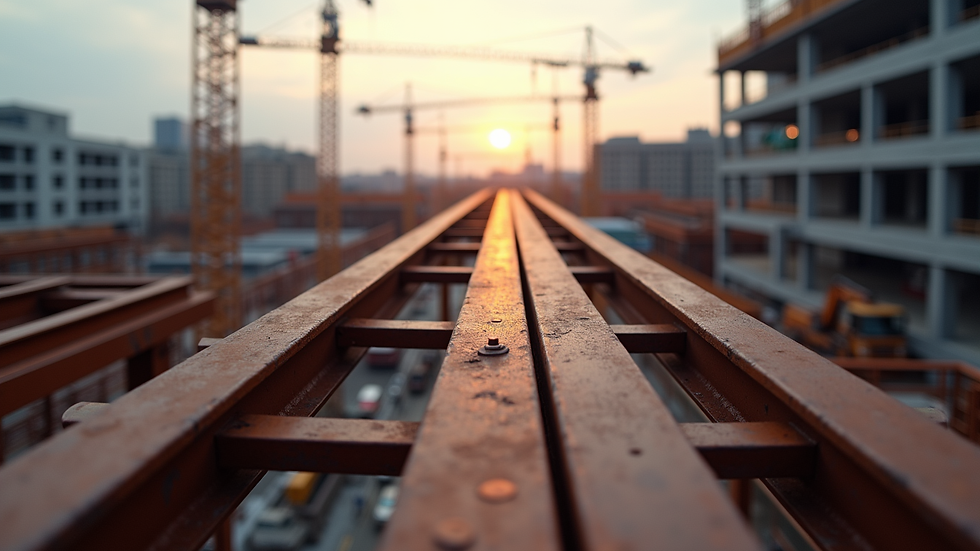
Why Choose Professional Commercial Construction Services?
Choosing professional commercial construction services is crucial. It saves time, money, and stress. I have seen projects go off track because of poor planning or unskilled labor. When you hire experts, you get:
Quality work: Professionals use the right materials and techniques.
Safety: They follow safety regulations to protect workers and the public.
Efficiency: Experienced teams complete tasks faster and with fewer mistakes.
Compliance: They handle permits and inspections to meet local laws.
For example, installing metal structures requires precision and knowledge of building codes. A professional team ensures the structure is strong and durable. The same goes for drywall and roofing systems. These elements protect your building and improve its appearance.
If you want your project to succeed, invest in trusted commercial construction services.
Can You Make 200k a Year in Construction?
Many people wonder if construction is a lucrative career. The answer is yes, but it depends on your role and experience. Skilled workers, supervisors, and contractors can earn a good income.
For instance, a commercial contractor who manages large projects can make $200,000 or more annually. This figure includes overseeing budgets, schedules, and teams. It requires strong leadership and business skills.
Tradespeople like electricians, plumbers, and roofers also have good earning potential. Their pay increases with certifications and years of experience.
If you are considering a career in construction, focus on gaining skills and building a reputation. The industry offers many opportunities for growth and financial success.

How a Commercial Contractor Supports Your Project
A commercial contractor is more than just a builder. They are your project partner. Here’s how they support you:
Planning and Design
They work with architects and engineers to create detailed plans. This step ensures the project meets your needs and budget.
Permits and Regulations
They handle all paperwork and inspections required by local authorities. This avoids legal issues and delays.
Hiring and Managing Subcontractors
They select skilled subcontractors for specialized tasks like electrical work or plumbing. They also supervise their work to maintain quality.
Scheduling and Budgeting
They create a timeline and budget, keeping the project on track. If problems arise, they find solutions quickly.
Quality Control
They inspect the work regularly to ensure it meets standards. This guarantees a safe and durable building.
Communication
They keep you informed throughout the project. You always know what’s happening and what to expect next.
By handling these tasks, a commercial contractor lets you focus on your business while your building takes shape.
Building Long-Lasting Relationships Through Quality Work
In Austin, Texas, building trust is key. I have seen how companies like Orelius Group Contracting (OGC) focus on quality metal structures, drywall, and roofing systems. Their goal is to build lasting relationships with clients.
When a contractor delivers excellent work, clients return for future projects. They also recommend the contractor to others. This cycle creates a strong reputation in the community.
If you want a partner who cares about your success, look for a contractor with proven experience and positive reviews. They will treat your project as if it were their own.
Take the Next Step with Confidence
Now that you understand the role of a commercial contractor, you can make better decisions for your construction needs. Whether you are building a new office or upgrading your warehouse, choose a team that offers comprehensive commercial construction services.
Remember, the right contractor will:
Manage every detail
Ensure quality and safety
Keep your project on time and budget
Communicate clearly and honestly
If you want to learn more or start your project, don’t hesitate to reach out to a trusted commercial contractor today. Your business deserves the best foundation to grow and thrive.
By focusing on quality and partnership, you can turn your construction project into a success story. Let’s build something great together!

Comments